
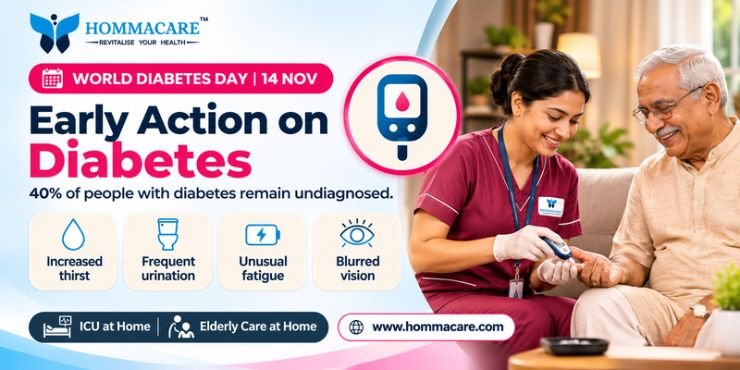
Early Action on Diabetes: Recognise the Warning Signs, Get Tested and Protect Your Health
Over 40% of people with diabetes don't know they have it. Learn the early warning signs, who should get screened, and how early action protects your health.
Diabetes is one of the fastest-growing health challenges worldwide, yet nearly 43% of adults with diabetes, about 252 million people, do not know they have it, according to 2025 IDF Diabetes Atlas estimates. They feel "a bit tired" or "just stressed," while high blood sugar quietly harms their eyes, kidneys, nerves, and heart.
On 14 November, the International Diabetes Federation's 2026-27 World Diabetes Day theme is Early Action on Diabetes, with a focus on diagnosing diabetes earlier and reducing risk. The WHO campaign adds access to comprehensive care and less stigma.
The message is clear: don't wait for symptoms to become serious. In this blog, you will learn the warning signs, who should get tested, which tests to ask about, and how to take the first step without fear or shame.
India's Silent Diabetes Gap
India had an estimated 89.8 million adults living with diabetes in 2024, and about 43% of them, roughly 38.6 million people, were unaware of their condition, according to a summary of the IDF Diabetes Atlas 11th edition.
That gives India one of the world's largest undiagnosed populations. Middle-income countries, including India, account for most adults with undiagnosed diabetes worldwide.
Why Is Diabetes Often Diagnosed Late?
Type 2 diabetes can develop gradually over several years. In the early stages, symptoms may be mild or may not appear at all. Many people put early signs down to stress, ageing, a busy schedule, or lack of sleep.
Common reasons for delayed diagnosis include:
· Busy lifestyles: Health check-ups are often postponed because of work and family commitments.
· No noticeable symptoms: People assume they are healthy because they feel normal.
· Fear of diagnosis: Some avoid testing because they are worried about the result.
· Limited access: Travelling to a clinic or laboratory can be hard, particularly for elderly people.
Delaying diagnosis also delays the care needed to reduce the risk of complications.
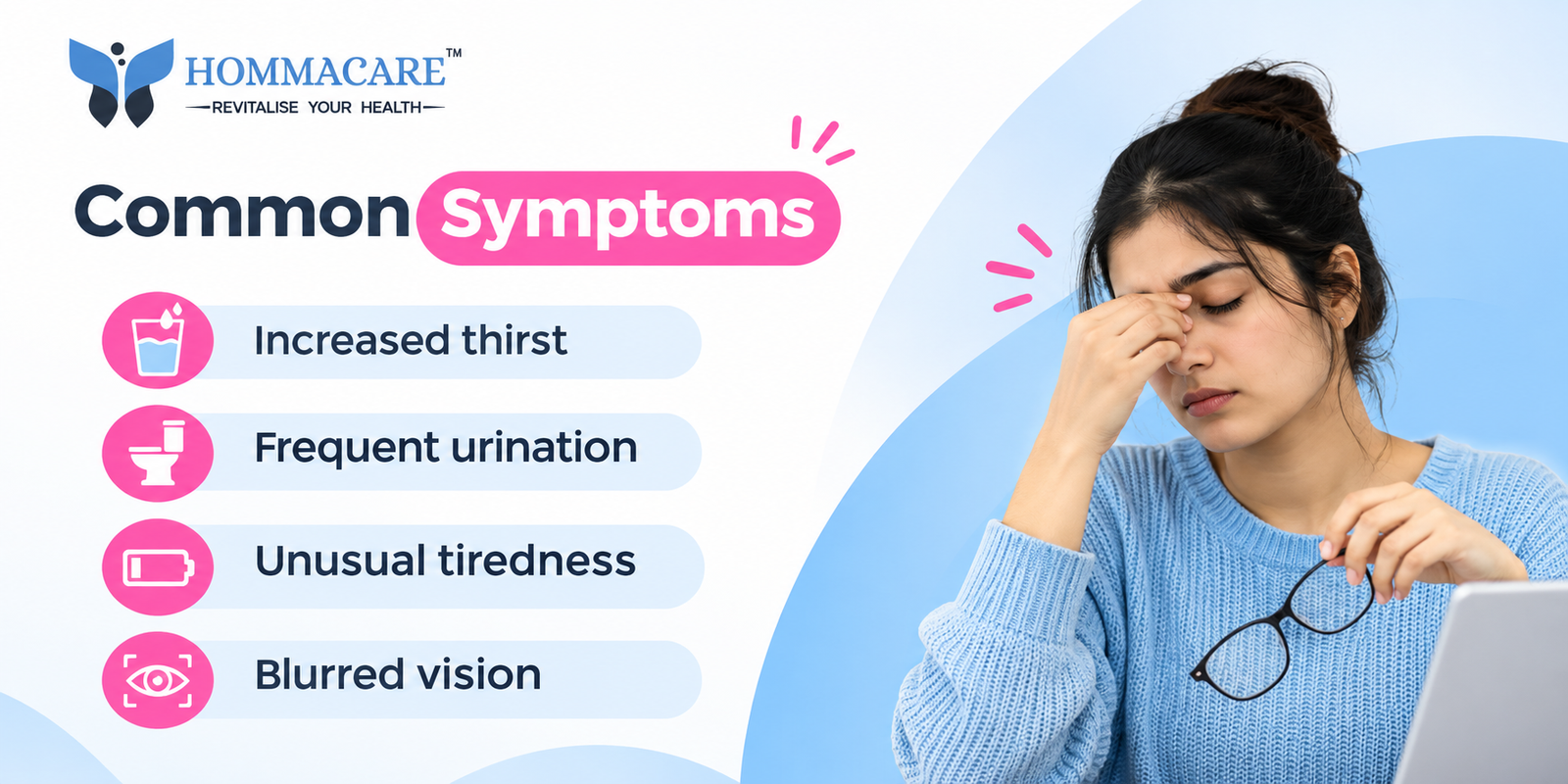
Early Warning Signs of Diabetes You Should Never Ignore
Recognising the symptoms can help you seek medical advice at the right time.
Common symptoms
· Increased thirst: Feeling thirsty often, even after drinking water.
· Frequent urination: Passing urine more often than usual, including at night.
· Unusual tiredness: Feeling exhausted despite adequate rest.
· Blurred vision: Changes in eyesight or difficulty focusing.
Other possible warning signs
· Cuts and wounds that take longer to heal
· Tingling or numbness in the hands and feet
· Unexplained weight loss
· Frequent skin or urinary infections
· Increased hunger
Not everyone with diabetes has these symptoms, and having one does not confirm diabetes. Because type 2 diabetes can stay unnoticed for a long time, regular screening matters. If you notice these changes, consult a qualified healthcare professional.
Who Should Get Screened for Diabetes?
Discuss screening with your doctor if you:
· Are aged 35 years or older
· Have parents or close family members with diabetes
· Are overweight or carry extra abdominal fat
· Have high blood pressure or abnormal cholesterol levels
· Live a mostly sedentary lifestyle
· Have a history of gestational diabetes
· Have previously been diagnosed with prediabetes
Tests your doctor may recommend
· Fasting blood glucose: Measures blood sugar after an overnight fast.
· HbA1c test: Estimates average blood glucose over roughly the previous three months.
· Oral glucose tolerance test (OGTT): Measures how your body processes glucose over a set period.
The right test and how often to repeat it depend on your individual health profile. Diagnosis should be based on laboratory testing and medical evaluation.
Why Early Diabetes Management Matters
Over time, uncontrolled diabetes can raise the risk of several serious conditions:
· Diabetic retinopathy: Damage to blood vessels in the eyes, which can affect vision.
· Diabetic kidney disease: Gradual loss of kidney function.
· Diabetic neuropathy: Nerve damage that may cause pain, tingling, or loss of sensation.
· Cardiovascular disease: A higher risk of heart attack and stroke.
· Diabetic foot complications: Poor healing and infections that can become serious.
Early diagnosis and appropriate treatment can help prevent or delay many of these complications. Managing diabetes is not only about blood sugar. It also means keeping an eye on blood pressure, cholesterol, kidney health, eye health, and overall wellbeing.
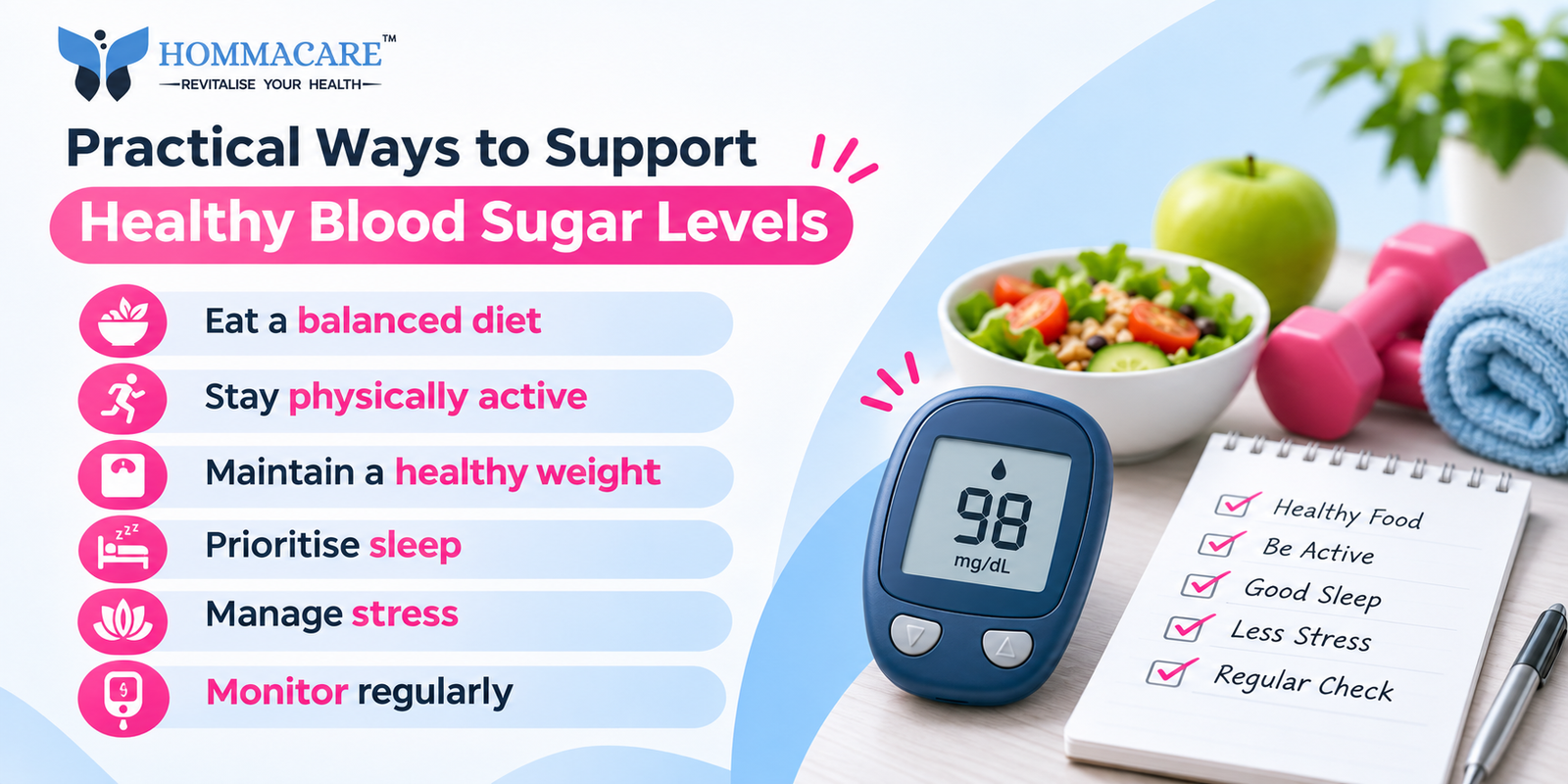
Practical Ways to Support Healthy Blood Sugar Levels
Small, consistent changes make a meaningful difference.
· Eat a balanced diet: Include vegetables, fibre-rich foods, pulses, and sensible portions of whole grains. Limit sugary drinks, sweets, and highly processed foods.
· Stay physically active: Walk or exercise regularly, according to your health and fitness level.
· Maintain a healthy weight: Even modest, sustainable weight loss can improve metabolic health.
· Prioritise sleep: Keep a regular sleep schedule.
· Manage stress: Try breathing exercises, meditation, yoga, or time with loved ones.
· Monitor regularly: Keep a record of your glucose readings and reports, and share them with your doctor at follow-ups.
Important: Never change or stop prescribed diabetes medication or insulin without consulting your doctor.
Let's End the Diabetes Stigma
Diabetes is not a personal failure. Genetics, age, and lifestyle all play a part, and anyone can be affected.
What people need is support, not blame. When people feel safe, they seek care sooner. You can help by:
· Using respectful, non-judgemental language
· Encouraging friends and family to get tested
· Going along with a loved one to a check-up or consultation
Why Consistent Diabetes Care Matters for Senior Citizens
Managing diabetes can become harder with age. Senior citizens may face limited mobility, several health conditions at once, difficulty with medicines, and the strain of travelling often for appointments. Family members, in turn, may find it hard to balance work with their parents' healthcare needs.
A structured routine can support:
· Regular health monitoring
· Medication reminders and adherence
· Doctor consultations and follow-ups
· Nursing support when clinically required
· Monitoring of wounds and foot health
The goal is to make healthcare more accessible while helping people keep their independence and quality of life.
How HOMMACARE Makes Healthcare at Home More Accessible
Getting consistent care should not depend on whether someone can easily travel to a hospital or clinic. HOMMACARE, by Punarunya Healthcare India Pvt. Ltd., supports families with professional home healthcare designed around individual needs.
Our services include:
· Skilled nursing care at home: Injections, wound care, post-surgical recovery, and health monitoring.
· Elder care services: Healthcare support for senior citizens in the comfort of their homes.
· Chronic illness management: Follow-up support and care coordination for people with long-term conditions.
· Online doctor consultations: Medical advice when patients and families need guidance between visits.
· Caregiver support: Help with daily routines and medication reminders
Explore all HOMMACARE home healthcare services or read more health tips on the HOMMACARE blog.
The Bottom Line
Diabetes does not always announce its arrival, so know the signs, get tested, and act early.
Take the First Step Towards Better Health with HOMMACARE
Whether you need nursing assistance, elder care, or help coordinating healthcare at home, HOMMACARE is here for you. Your health deserves attention, so don't wait for tomorrow.
Medical disclaimer: This article is for general health awareness and educational purposes only. It does not replace professional medical advice, diagnosis, or treatment. Always consult a qualified healthcare professional for individual medical guidance.